
People with allergies or asthma
Homes with pets
Veterans and immunocompromised individuals
Doggie daycares and grooming facilities
Restaurants and food-service spaces
Medical and dental offices
High-use residential or commercial spaces
Anywhere clean air matters, deep cleaning makes a difference.

Protect surrounding surfaces
Partial disassembly of the indoor head
Clean blower wheel, coil, drain pan, and housing with a pressurized system.
Flush condensate drain line
Reassemble and test system operation
We clean the parts that actually move air through your home.


Better performance – improved airflow and heat transfer
Energy efficiency – system doesn’t work as hard
Odor reduction – remove the source, not the smell
Healthier air – especially for allergy-sensitive homes
Multi-unit discounts available
Pricing depends on system condition and accessibility
Grossness that only a picture can describe.

Mitsubishi Electric
Daikin
Fujitsu
LG
Panasonic
Samsung
Gree
Midea
Pioneer
Cooper & Hunter
Carrier (ductless/mini-split systems)
And most other ductless mini-split brands. If it’s wall-mounted, cassette, or ceiling-concealed — we clean it.


Most homes benefit from deep cleaning every 1–2 years.
Homes with pets, allergies, high humidity, or heavy use may need cleaning annually. Commercial spaces often require more frequent service.
Common signs include:
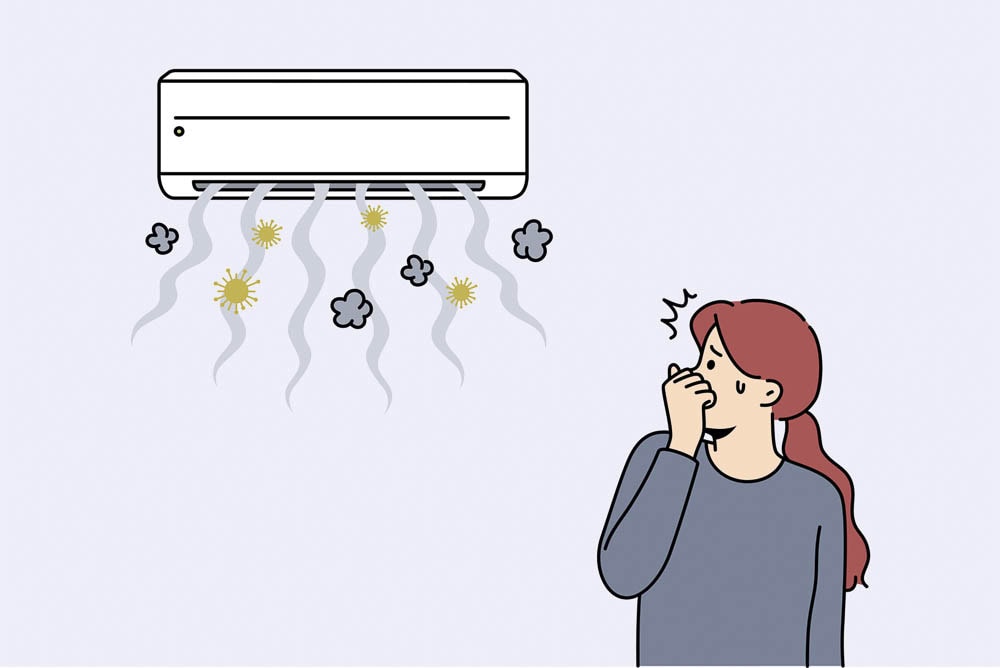
Musty or sour smells when the system runs
Reduced airflow or uneven cooling/heating
Increased allergy or respiratory symptoms
Visible buildup inside the unit
Louder operation than usual
If you’re noticing any of these, it’s likely time.
The black buildup is usually a mix of dust, moisture, and biological growth. Mini-splits create condensation, and when that moisture combines with airborne particles, it can accumulate inside the coil, blower wheel, and drain pan.
Plan on one hour or more per indoor unit.
Heavily soiled systems or older units may take longer. We do not rush the process — thorough cleaning takes time.
Yes. Deep cleaning is separate from basic maintenance.
Maintenance typically involves filter checks and basic inspection. Deep cleaning addresses the internal components you can’t reach, including the coil, blower wheel, and drain system.
Yes. Filter cleaning is important, but it does not clean the internal components where buildup actually occurs. Even well-maintained filters can’t prevent moisture-related growth inside the unit.
We begin by protecting the surrounding area and sealing off sensitive electronics with a waterproof protective barrier. Filters are removed, and when possible, the blower wheel is fully removed to allow access to areas where buildup commonly hides.
A food-safe cleaning solution is then applied to disinfect internal surfaces and loosen dust, debris, and biological growth. Using a pressurized, contained cleaning system, we thoroughly flush contaminants from the coil, blower wheel, drain pan, and internal housing.
Filters are washed separately, condensate lines are flushed, and all components are carefully reassembled and tested. The result is a cleaner, better-performing system without damage to your home or equipment.
Mini-split deep cleaning is difficult, time-consuming, and highly specialized. It requires proprietary techniques, specialized equipment, and technicians trained specifically for this type of work.
Many HVAC companies began installing mini-splits as part of energy-efficiency upgrades, but were never set up to properly service or maintain them. As a result, deep cleaning is often not offered — or even understood.
Some companies recommend replacing the indoor unit instead of cleaning it, but with changes in refrigerants, replacement heads are often unavailable. Even when they are, replacement was never an environmentally responsible solution.
Deep cleaning extends the life of your system, improves performance, and avoids unnecessary waste — which is why we invested in doing it the right way.
Yes. A heat pump mini-split operates the same internal indoor unit as any other ductless model, and it accumulates dust, moisture, and biological buildup inside the indoor head over time. Deep cleaning targets those internal parts (coil, blower wheel, drain pan) no matter whether you’re using cooling or heating modes. Many homeowners with heat pump mini-splits report improved performance and reduced odors after a deep clean, even if they already clean filters regularly.
There are DIY kits and videos online, but professional deep cleaning is very different. Our equipment alone costs thousands of dollars and is designed specifically to flush internal components safely without damaging electronics.
We also use specialized, food-safe cleaning solutions and trained technicians who know when and how to disassemble components like blower wheels and protect sensitive controls. DIY attempts often miss the areas where buildup hides — or worse, cause water or electrical damage. Deep cleaning is one of those cases where professional tools and experience really matter.
Yes. Construction dust is brutal on HVAC systems, including mini-splits.
Even if your contractor or sheetrock company says it isn’t necessary, fine dust from drywall, sanding, and demolition is easily pulled into the unit and settles on coils, blower wheels, and internal surfaces. This type of dust is especially problematic because it mixes with condensation inside the system and is difficult to remove without a deep clean.
If you’ve had renovations, remodeling, or major construction work done, deep cleaning your mini-splits is strongly recommended — even if the system is relatively new.
Mini-split cleaning isn’t part of basic maintenance and often isn’t offered by general HVAC companies — even installers — because it’s a specialized service that requires disassembly and dedicated equipment. Many homeowners don’t realize units need this until they notice odors or performance issues.
Yes. Higher humidity means more condensation inside the unit, which encourages buildup of dust and biological matter that deep cleaning addresses.
Regular deep cleaning can reduce mid-season performance issues, help maintain efficiency, and extend the life of internal components.
1. Protect the Space
Drop cloths and containment are set up to fully protect walls, floors, and furnishings.
2. Safeguard Electronics
Sensitive electronic components are sealed with a waterproof protective barrier before any cleaning begins.
3. Disassemble & Access
Filters are removed, and blower wheels are removed when possible to allow full access to internal components.
4. Apply Food-Safe Cleaning Solution
A food-safe disinfecting solution is applied to loosen dust, debris, and biological buildup.
5. Pressurized Deep Flush
A controlled, pressurized cleaning system flushes contaminants from the coil, blower wheel, and drain pan while fully containing runoff.
6. Drain & Filter Cleaning
Filters are washed separately, and condensate lines are flushed to restore proper drainage.
7. Reassemble & Test
All components are reinstalled, the system is tested, and airflow and operation are verified.
We’re a woman-owned HVAC company specializing in high-performance systems and indoor air quality. Mini-splits aren’t an add-on for us—they’re a core part of what we do.
Local Hudson Valley company
Focused on building science & IAQ
Experienced with ductless systems of all brands
“My home smells better than before. I didn’t realize how much was trapped inside the system.”
“The team was excellent and did a thorough, professional job.”